By Bishop Realtor Group
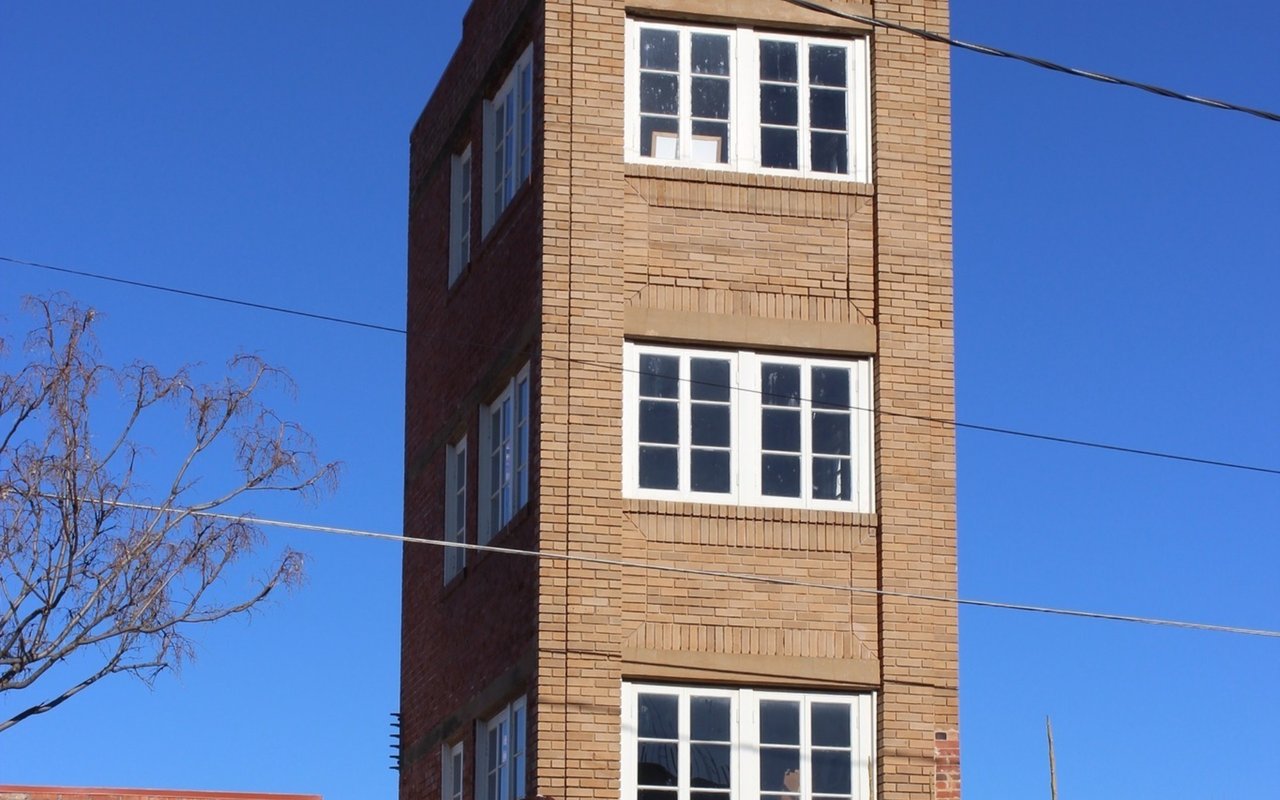
Wichita Falls’ downtown has a set of landmarks that instantly place you in North Texas, and one of the most talked-about sits at the corner of Seventh Street and LaSalle Avenue near the railroad depot area. The building is known locally as a curiosity, yet it also represents a real chapter of the city’s oil-boom era and the way fast growth shaped development decisions. We share this story often during downtown tours because it connects architecture, local pride, and the modern push for walkable, character-rich districts.
This guide explains how the building came to be, why it became famous, and how it still influences the way people experience the heart of Wichita Falls.
Key Takeaways
- Origin story: Oil-boom demand and a rushed development pitch
- Location: Downtown near the depot and today’s historic district blocks
- Reputation: A nationally known oddity tied to early 20th-century headlines
- Legacy: A small building with an outsized role in local identity
Wichita Falls in 1919: The Boomtown Pressure That Set the Stage
Wichita Falls grew quickly during the North Texas oil boom, and that rush created immediate demand for office space near the railroad and downtown business blocks.
Local Conditions That Made Quick-Build Ideas Attractive
- Oil activity nearby: Burkburnett-era drilling brought a wave of business and new money into Wichita County.
- Downtown as the hub: Deals and paperwork centered close to the depot and the courthouse-area grid.
- Limited office inventory: Small commercial buildings filled fast as companies and speculators arrived.
The city’s streets around Seventh, LaSalle, and the depot became a natural target for new construction because that area handled travel, commerce, and daily transactions.
The Proposal and the Plan: How the Building Was Sold to the Public
The project that became the world’s littlest skyscraper is tied to a pitch that sounded like a solution to a real problem: more office space in a crowded downtown.
The Key Details That Shaped the Infamous Outcome
- A “skyscraper” promise: A tall annex concept marketed as a modern downtown addition.
- A measurement misunderstanding: A height listed in inches created a technical reading that conflicted with public expectations.
- A compact footprint: The buildable space beside the existing structure limited the final form from the start.
The plan’s paperwork became the heart of the story because the project’s stated height created confusion that later fueled lawsuits and local legend.
Construction, Reactions, and the Early Downtown Role
When the structure went up, the reaction came quickly because its scale felt startling beside normal commercial buildings.
What Early Downtown Life Looked Like Around the Site
- Depot-adjacent activity: The nearby rail corridor kept foot traffic, and commerce concentrated downtown.
- Street-level commerce: Small offices and retail uses reflected the practical needs of the era.
- A talk-of-town curiosity: The building’s size became a shared reference point for locals and visitors.
The building still reads like a “miniature high-rise” from the sidewalk, especially when viewed from the corner where the masonry and window rhythm create a formal, vertical look.
From Embarrassment to Icon: How National Attention Stuck
The nickname gained wider traction after it appeared in popular culture as a “believe it or not” style oddity, which helped lock the story into public memory.
The Moments That Helped the Nickname Endure
- A memorable moniker: The phrase was easy to repeat and instantly visual.
- A shareable location: The downtown corner made it simple to visit and photograph.
- A durable story: The tale blended boomtown ambition, paperwork drama, and local humor.
Over time, the building shifted from a local sore spot to a point of pride, especially as Wichita Falls leaned into heritage tourism and downtown identity.
Preservation and Place: What the Building Means for Downtown Real Estate
Today the building sits within a historic-district context that highlights preservation, small-business energy, and a growing appreciation for older masonry structures.
Downtown Features That Pair Well With Historic-Landmark Energy
- Depot Square context: A cluster of older buildings that supports walkability and local commerce.
- Adaptive reuse potential: Smaller footprints encourage creative retail, studio, and boutique concepts.
- Tour-friendly blocks: Corners, sidewalks, and storefront visibility support events and foot traffic.
For anyone tracking downtown momentum, the building serves as a reminder that character and story can influence how a district feels as much as square footage does.
FAQs
Where exactly is the building located in Wichita Falls?
It sits at 701 LaSalle Avenue at the corner of Seventh Street and LaSalle in downtown Wichita Falls near the depot-area blocks. The corner placement makes it easy to spot during a walking loop that includes nearby historic structures.
Why did people expect a much taller tower?
A height detail in the project paperwork created expectations that clashed with the structure that ultimately appeared on the site. The result became a widely repeated lesson about reading plans carefully during fast-moving boom periods.
Why does the landmark still matter for Wichita Falls today?
The story connects Wichita Falls’ oil-boom era to the modern effort to preserve and celebrate downtown’s older architecture. It also adds personality to the district and strengthens the sense of place for people exploring downtown on foot.
Contact Bishop Realtor Group Today
Wichita Falls stands out because its downtown stories remain visible in the architecture, from classic brick storefronts to the world’s littlest skyscraper at Seventh and LaSalle.
Contact us at Bishop Realtor Group today, and we will connect local history to real estate options across the city, including downtown-adjacent living and the neighborhoods that make it easy to enjoy Wichita Falls year-round.
*Header photo courtesy of Bishop Realtor Group